
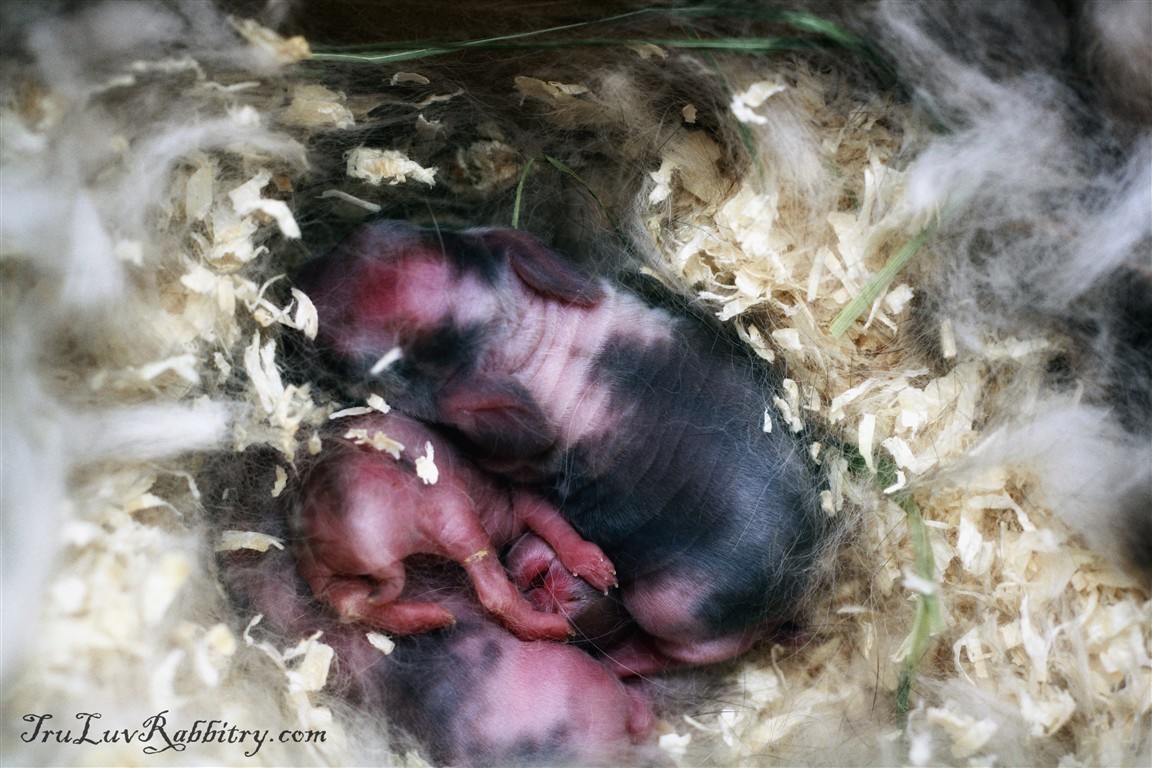
First of all, wishing you a joyful and blessed Easter filled with peace, love, and the joy of new beginnings, as you celebrate this special time with family and friends. May the spirit of Easter bring you hope and happiness in abundance!
It has been more than two years since my last blog entry and it is difficult not to reminisce and be reminded of rabbits during the Easter season when there is some sort of merchandise or advertisement related to anything and everything rabbit!
To this day, I am still asked why I am no longer an active Holland Lop breeder. I will dwell into the technical details in a bit but personally, it is mainly due to the priorities in life that no longer align with the hobby.
Now, for the technical bits.
To put forth my argument and getting my point across as clearly possible, I would like to use humans as the subject of discussion.
If you look at humans in every region of the world, the natives exhibit very specific physical characteristics and traits. Every one of them are built to not only survive but thrive in their respective environments. The Asians are usually smaller in built while their western counterparts are larger. You generally find leaner people in warmer places versus colder places where a larger body is better suited for maintaining warmth.
With that in mind, I have found that the Holland Lop rabbits although can be accustomed to the temperate climate of South East Asia, they do not maintain the desired condition for long.
How long, you’d ask?
Short answer – as long as natural selection permits.
As you know, rabbits are prey animals and that means they have to adapt very quickly for survival.
In my years of experience breeding the Holland Lop rabbits, the imports lose their condition fairly quickly in our temperate climate. Their offspring, the first generation “migrants” show drastic changes. Yes, the physical appearance changes in just one generation.
In order to achieve the “bulldoggish” stout and regal look of a show winning Holland Lop rabbit, it is not just about skin, coat, and bones. The rabbit needs to have solid flesh! Something that is hard to achieve in warm and humid weather where the rabbit loses its appetite.
Sure, we can always create a conducive environment with air-conditioning but these “snowflake” rabbits would “melt” when removed from that environment. Is that what we want?
Then comes the goal and responsibility of a good breeder.
The main objective of a true and principled breeder who takes pride in improving the breed is to build a herd of rabbits with full pedigrees credited to his or her own rabbitry name.
It truly is a numbers game when it comes to breeding show quality Holland Lop rabbits and breeders where the Holland Lop originates to this day have to breed a lot to find the gems. That number increases exponentially for breeders in warmer places like South East Asia.
So, coming back to the question as to why my inactivity?
I would prefer at this juncture to admire the Holland Lop rabbits in their full glory where they belong and until a time when life’s priorities shift, and a conducive environment permits, the elusive Holland Lop rabbits of Tru-Luv Rabbitry will make their appearance once again…






 Tru-Luv Rabbitry: Quality Holland Lops in Malaysia